Cell City!


 Casmine NOrman, 4thblock 9/25/12

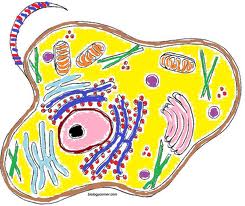
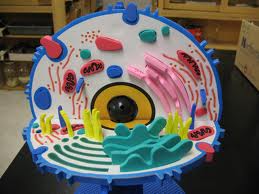
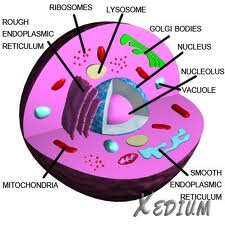
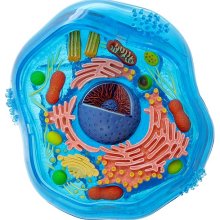
The Animal Cell

Cell Parts Definitions

  • cell membrane - the thin layer of protein and fat that surrounds the cell. 
  • microtubule -  a small body located near the nucleus.
  • centriole is a cylinder shaped cell structure found in most eukaryotic cells.
  • cytoplasm - the jellylike material outside the cell nucleus in which the organelles are located.

  • Golgi apparatus packages proteins and carbohydrates into membrane

  • lysosome - round organelles surrounded by a membrane and containing digestive enzymes. 

  • mitochondrion - The mitochondrion converts the energy stored in glucose into ATP for the cell.
  • nucleolus - an organelle within the nucleus - it is where ribosomal RNA is produced. Some cells have more than one nucleolus.

  • nucleus -The nucleus controls many of the functions of the cell (by controlling protein synthesis) and contains DNA (in chromosomes). The nucleus is surrounded by the nuclear membrane.

  • ribosome - small organelles composed of RNA-rich cytoplasmic granules that are sites of protein synthesis.

  • rough endoplasmic reticulum -  Rough ER transports materials through the cell and produces proteins in sacks called cisternae (which are sent to the Golgi body, or inserted into the cell membrane).

  • smooth endoplasmic reticulum -Smooth ER transports materials through the cell. It contains enzymes and produces and digests lipids (fats) and membrane proteins.

  • vacuole - fluid-filled, membrane-surrounded cavities inside a cell. The vacuole fills with food being digested and waste material that is on its way out of the cell. 


Comparisons

The nucleus controls all of the activities of the cell as city hall controls all the activities in the city.

The nucleolus is the city planning office and thats were planse are made for the construction of the city.

The cell membrane controls what goes into and out of the cell as the city limits control what goes in and out of the city.

The mitocondria supply the energy for the cell as does a power company produces energy for the city.

Endoplasmic Reticulum consists of a network of a tube-like passageway through which proteins from the ribosomes can move within a cell as the road system allows the movement in the city.

 Chromosomes stores all the records of the city and passes are made for the construction of vthe city.

Ribosomes build structures for the city.

Lysosomes processes large quantities of food entering the city into smaller packages that can be used more easily.

Vacuole stores materials needed by the city.

Chloroplast uses the sun's energy to produce power for the city.

The Golgi Apparatus delivers products made at the construction coompany to other locations in the city.

References: https://www.cte.jhu.edu/onlinecourses/SchoolofEducation/JHUSSI/Cellcity.doc


This free website was made using Yola.

No HTML skills required. Build your website in minutes.

Go to www.yola.com and sign up today!

Make a free website with Yola